Family-style meals centered on lamb and chicken are shared dishes designed for the table rather than individual portions, combining a main protein with vegetables, grains, sauces, and adaptable side dishes. Lamb contributes distinctive flavor and useful nutrients such as protein, iron, and vitamin B12, while chicken offers a mild, versatile, generally lean protein. This guide explains how to define and balance these meals, choose practical lamb and chicken formats, plan safe portions, and build easy menus that suit busy families. The approach is especially relevant because the Dietary Guidelines for Americans identify poultry and meat as protein foods, while USDA food-safety guidance emphasizes cooking poultry to 165°F and whole cuts of lamb to at least 145°F with a rest period.
Build Family-Style Meals Around Lamb and Chicken
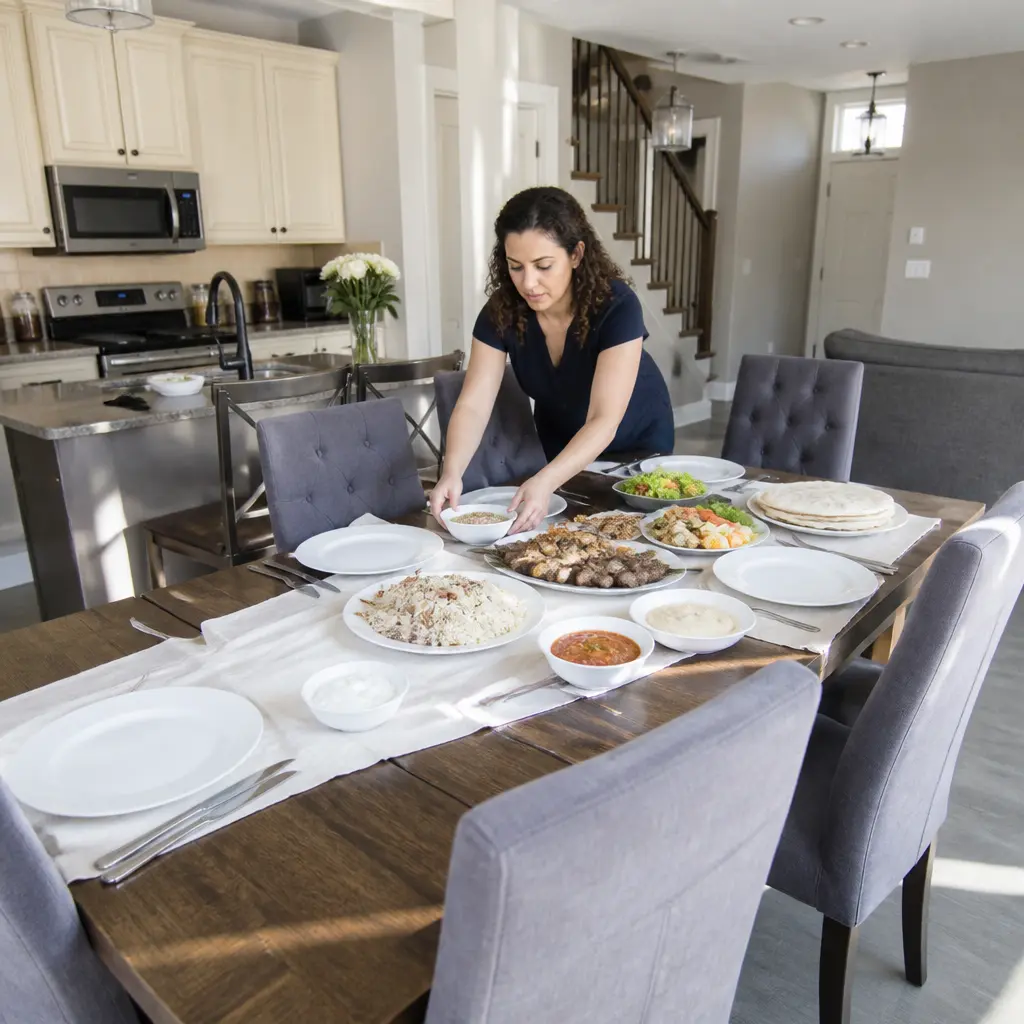
“Family-style meals centered on lamb and chicken” can be defined as complete, shareable meals in which lamb or chicken serves as the featured protein and the remaining components are arranged so diners can portion food according to appetite and preference. The pairing is not a formal nutrition term; it is a practical meal-planning category that combines a central protein with complementary starches, vegetables, legumes, sauces, and breads.
The strongest characteristic of this meal style is flexibility. A tray of roasted chicken thighs, for example, can be served with potatoes and green beans, while the same cooking method can support a Mediterranean platter with couscous, cucumber, tomatoes, and yogurt sauce. Lamb works well in meatballs, kofta, chops, stews, and skillet dishes. These are hyponyms of the broader category: roasted family meals, one-pot meals, sheet-pan dinners, grilled platters, wraps, and bowl-style spreads.
The USDA MyPlate model supports this structure by encouraging meals that include protein foods alongside vegetables, fruits, grains, and dairy or fortified alternatives. A family-style format also makes it easier to accommodate different needs: diners can take more vegetables, choose a smaller portion of meat, or substitute rice, flatbread, beans, or potatoes without preparing an entirely separate dinner.
Protein-Centered Shareable Plates
A protein-centered shareable plate places the cooked lamb or chicken in the middle of the table and surrounds it with foods that add color, texture, and satiety. A useful formula is one protein, two vegetable preparations, one carbohydrate, and one sauce or garnish. For six diners, about 2½ to 3 pounds of bone-in chicken, 2 to 2½ pounds of boneless chicken, or roughly 1½ to 2 pounds of boneless lamb is often a practical starting point, adjusted for appetites, bones, and leftovers.
The Dietary Guidelines for Americans commonly use a 3-ounce-equivalent serving as a reference point for cooked meat, poultry, and seafood. That does not mean every person must receive exactly 3 ounces; family-style service allows portions to reflect age, appetite, and the amount of other protein in the meal. Children may need less, while active adults may choose more.
Balanced Lamb and Chicken Meal Architecture
Balanced meal architecture means distributing richness rather than making every component heavy. Lamb often pairs well with acidic or fresh elements such as lemon, tomato, herbs, pickled onions, or yogurt. Chicken can carry richer sauces, spice blends, and roasted vegetables because its flavor is relatively mild. Whole grains, potatoes, beans, and flatbreads provide carbohydrates, while leafy greens, cabbage, carrots, squash, peppers, and cucumbers contribute color and fiber.
A simple visual chart for planning is: half the serving area for vegetables and fruit, one quarter for grains or starchy foods, and one quarter for the featured protein. This reflects the general visual logic of MyPlate, while allowing the actual family meal to include shared bowls, platters, and sauces.
Choose Easy Cooking Methods for Lamb and Chicken
Easy cooking methods reduce active preparation and keep family meals manageable. Sheet-pan roasting, slow cooking, pressure cooking, grilling, and skillet cooking are especially useful because they can produce a central dish while other ingredients cook with it or require only quick assembly.
Sheet-Pan Lamb and Chicken Dinners
A sheet-pan dinner cooks protein and vegetables on one tray, making it a strong hyponym of the family-style meal category. Chicken thighs, drumsticks, or breasts can roast with potatoes, carrots, onions, or peppers. Lamb meatballs, kofta, or small chops can roast alongside tomatoes, zucchini, or eggplant, although cooking times should be matched carefully.
For better results, cut dense vegetables into smaller pieces than quick-cooking vegetables, leave space between ingredients, and avoid overcrowding the pan. A two-stage method works well: roast potatoes or carrots first, then add chicken or lamb and softer vegetables later. A thermometer is more reliable than color or cooking time alone.
One-Pot and Slow-Cooked Family Meals
One-pot meals combine protein, liquid, vegetables, and sometimes grains or legumes in a Dutch oven, slow cooker, or pressure cooker. Chicken cacciatore, chicken and rice, lamb stew, lamb-and-chickpea braise, and spiced chicken with lentils all fit this category. These methods are valuable for families because tougher cuts become tender and leftovers generally reheat well.
When using a slow cooker, poultry should be thawed before cooking, and the finished food should reach a safe internal temperature. The USDA advises against using a slow cooker to reheat leftovers; instead, reheat food on the stove, in the oven, or in a microwave until it reaches 165°F, then transfer it to a slow cooker for holding if needed.
Grilled and Skillet-Cooked Platters
Grilled chicken skewers, lamb kofta, chicken shawarma-style strips, and lamb chops can become easy platters when served with warm bread, salad, rice, and a sauce. Skillet cooking is particularly useful on weeknights: sliced chicken cooks quickly, while ground lamb can be browned with onions, garlic, cumin, paprika, or oregano and served over grains or tucked into pita.
For even cooking, cut meat into pieces of similar size and avoid placing cold, wet ingredients directly into a crowded pan. The National Chicken Council notes that chicken should be cooked to 165°F internally. USDA guidance lists 145°F as the minimum safe temperature for whole cuts of lamb, followed by a three-minute rest; ground lamb should reach 160°F.
Plan Lamb and Chicken Menus for Family Needs
Menu planning connects the cooking method to the practical needs of a household. A useful family menu has a predictable base, one or two optional toppings, and leftovers that can be transformed rather than simply repeated. This reduces waste and makes a single cooking session serve more than one meal.
Lamb Menu: Lemon-Herb Kofta Platter
Make kofta with ground lamb, grated onion, garlic, parsley, cumin, coriander, salt, and pepper. Shape the mixture into small logs or meatballs and bake or grill until fully cooked. Serve it family-style with couscous or rice, chopped cucumber and tomato salad, hummus, warm flatbread, and a lemon-yogurt sauce.
- Make-ahead step: shape the kofta several hours in advance and refrigerate them.
- Vegetable balance: add roasted cauliflower, eggplant, or a green salad.
- Leftover idea: crumble cooked kofta into grain bowls or use it as a filling for pita.
Lamb Menu: Slow-Cooked Tomato and Chickpea Stew
Brown lamb shoulder or stew meat, then simmer it with onions, tomatoes, chickpeas, carrots, stock, and warm spices. Serve the stew over couscous, bulgur, or potatoes with fresh herbs. The chickpeas stretch the meal, provide plant protein and fiber, and help make a modest amount of lamb satisfying for a larger group.
This meal illustrates how a family-style dinner can be both economical and flexible. Diners can choose more broth and vegetables, add bread for dipping, or top the stew with yogurt and herbs. The dish also tends to improve after a day in the refrigerator, making it useful for batch cooking.
Chicken Menu: Sheet-Pan Shawarma-Style Chicken
Marinate chicken thighs or breasts with yogurt, lemon, garlic, cumin, paprika, coriander, and a little oil. Roast the chicken with red onion and peppers, then slice it and serve it with rice, pita, lettuce, cucumber, tomatoes, and tahini or yogurt sauce. The components can remain separate so each person builds a preferred plate or wrap.
This format is particularly useful for mixed preferences. A diner who dislikes spicy food can use plain rice and yogurt, while another can add chili sauce, pickled vegetables, or extra herbs. The same cooked chicken can become lunch salad, quesadilla filling, or a grain-bowl topping the following day.
Chicken Menu: One-Pot Herb Chicken and Rice
Brown bone-in chicken thighs, soften onions and carrots, then add rice, stock, herbs, and peas. Cover and cook until the rice is tender and the chicken reaches a safe internal temperature. Finish with lemon juice or chopped parsley and serve directly from the pot with a crisp salad.
This is a practical example of ingredient sequencing. Browning builds flavor, vegetables add sweetness and texture, and the rice absorbs the cooking juices. To prevent food-safety problems, refrigerate leftovers within two hours, use shallow containers for faster cooling, and consume refrigerated leftovers within the period recommended by the USDA, generally three to four days.
Apply Food Safety and Nutrition Standards to Shared Meals
Family-style service should make food more welcoming without weakening food-safety practices. Keep raw poultry and lamb separate from ready-to-eat foods, wash hands before and after handling raw meat, use separate cutting boards when possible, and clean utensils that contact raw meat before using them for cooked food.
Safe Temperatures and Serving Times
Use an instant-read thermometer in the thickest part of the food, avoiding bones. Chicken breasts, thighs, wings, and ground chicken should reach 165°F. Whole cuts of lamb, such as chops, roasts, and steaks, should reach at least 145°F and rest for three minutes. Ground lamb should reach 160°F. These temperatures come from USDA food-safety standards and are more dependable than judging doneness by appearance.
Do not leave perishable food at room temperature for more than two hours, or more than one hour when the ambient temperature is above 90°F, according to FoodSafety.gov guidance. For a long meal, place smaller serving portions on the table and replenish them from hot or chilled storage rather than leaving the entire batch exposed.
Portion, Flavor, and Dietary Flexibility
Shared meals make portion control more natural because the main dish is not automatically pre-plated. Offer vegetables and grains in generous bowls, provide sauces on the side, and use sliced or bite-sized protein when appropriate. Lower-sodium seasoning can rely on lemon, vinegar, garlic, herbs, toasted spices, and fresh chilies rather than large amounts of salt.
Families should also consider allergies, religious dietary requirements, vegetarian preferences, and texture needs. A shared base of rice, vegetables, and sauces can support a separate bean, egg, or tofu option without requiring a completely different menu. When serving yogurt sauces, flatbreads, or prepared condiments, check labels for allergens and added sodium.
Conclusion: Make Lamb and Chicken Family Meals Easier
Family-style meals centered on lamb and chicken are best understood as flexible, shareable meal systems rather than single recipes. The main entity attribute pairing combines a central protein with vegetables, grains, legumes, sauces, and breads; its key hyponyms include sheet-pan dinners, one-pot stews, grilled platters, skillet meals, wraps, and bowls. Lamb brings richness and bold flavor, while chicken offers broad adaptability and fast weeknight preparation.
The most effective approach is to choose one reliable cooking method, build a balanced plate, serve sauces and toppings separately, and use a thermometer to meet USDA safety temperatures. Start with one lamb platter and one chicken tray dinner, then reuse leftovers in bowls, wraps, salads, or soups. For further guidance, consult the Dietary Guidelines for Americans, USDA food-safety resources, and MyPlate meal-planning materials.
Sources: U.S. Department of Agriculture, Safe Minimum Internal Temperature Chart, https://www.fsis.usda.gov/food-safety/safe-food-handling-and-preparation/meat/ ; U.S. Department of Agriculture and U.S. Department of Health and Human Services, Dietary Guidelines for Americans, 2020–2025, https://www.dietaryguidelines.gov/; U.S. Department of Agriculture, MyPlate, https://www.myplate.gov/; FoodSafety.gov, 4 Steps to Food Safety: Clean, Separate, Cook, Chill, https://www.foodsafety.gov/keep-food-safe/4-steps-to-food-safety; National Chicken Council, Chicken Cooking Times and Temperatures, https://www.nationalchickencouncil.org/chicken-cooking-tips/