
Light Beverages: How Refreshing Drinks Balance Rich Mediterranean Desserts
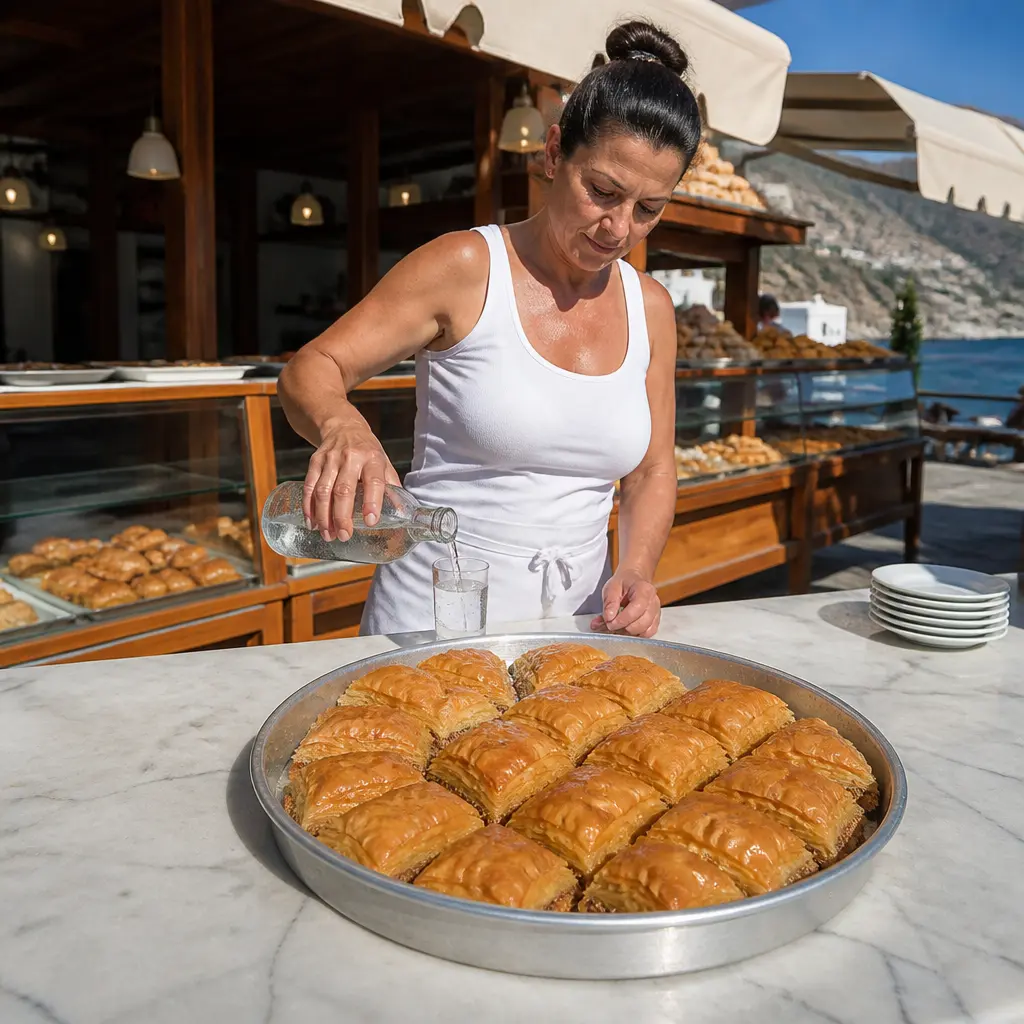
Light beverages are drinks with relatively low levels of sugar, fat, alcohol, or heavy texture, including sparkling water, unsweetened tea, espresso, and citrus-based infusions. They balance rich Mediterranean desserts by cleansing the palate, moderating sweetness, adding acidity or bitterness, and preventing dense ingredients such as olive oil, nuts, pastry, honey, and cream from becoming tiring. The pairing matters because Mediterranean sweets often combine concentrated sugars with energy-dense fats: baklava, for example, layers pastry, butter or oil, nuts, and syrup, while galaktoboureko adds custard to crisp pastry. The World Health Organization recommends limiting free sugars to less than 10% of daily energy intake, with further benefits below 5%, making lightly sweetened or unsweetened beverages a useful way to enjoy dessert without adding another major source of sugar.
Balance and Light Beverages
Balance in food and beverage pairing is the sensory adjustment through which one component offsets, refreshes, or complements the dominant characteristics of another. The Institute of Food Technologists describes flavor perception as an interaction among taste, aroma, mouthfeel, and trigeminal sensations rather than a single taste response. Applied to light beverages, the attribute pairing means that a drink should reduce perceived heaviness while preserving the dessert’s central identity.
The main hyponyms of this pairing are carbonated beverages, bitter beverages, acidic beverages, aromatic infusions, and restrained alcoholic drinks. Sparkling water contributes lift and effervescence; unsweetened tea contributes tannin and aroma; coffee contributes bitterness and roast; citrus infusions contribute acidity and fragrance; and dry wines contribute acidity and, where relevant, alcohol warmth. Their shared characteristic is restraint: they refresh the mouth without competing with the dessert through excessive sweetness or viscosity.
Palate Cleansing and Effervescence
Palate cleansing is the reduction of lingering sensations after a bite, especially oiliness, syrupiness, and coating from butter, nuts, chocolate, or custard. Carbonated water is effective because bubbles create a tactile sensation that interrupts a dense mouthfeel, while water dilutes residual sugars and fats. The effect is not the same as removing flavor; rather, it resets the mouth so the next bite can be evaluated with greater clarity.
This explains why chilled sparkling water works particularly well with baklava, kataifi, and syrup-soaked pastries. Its neutral flavor does not obscure pistachio, walnut, cinnamon, or orange-blossom notes. A lemon peel, cucumber slice, or sprig of mint can add aroma without turning the drink into a second dessert. The U.S. Department of Agriculture’s FoodData Central database shows that plain carbonated water contains no meaningful amount of sugar or fat, making it a low-energy pairing compared with sweetened soft drinks.
Acidity Against Sweetness and Fat
Acidity is the sharp, mouth-watering quality associated with ingredients such as lemon, orange, pomegranate, and certain wines. In pairing, acidity counterbalances sweetness by creating contrast and can make a rich dessert seem less cloying. It also supports salivation, which helps disperse concentrated syrup and refresh the mouth after fatty pastry.
A lightly diluted lemonade, unsweetened lemon verbena tea, or sparkling water with a small amount of citrus can therefore accompany honey-drenched desserts more successfully than a sugary soda. The important variable is concentration: too much lemon can dominate delicate custard, while too little acidity may disappear beside syrup. A practical rule is to use enough citrus to create freshness but not enough to make the beverage taste sour or aggressively sweet.
Bitterness, Tannin, and Sweetness Control
Bitterness is a taste associated with coffee, tea, cocoa, and some herbs, while tannin is an astringent sensation that can create dryness and structure. These qualities are useful with sweet Mediterranean desserts because they prevent the pairing from becoming uniformly sugary. Unsweetened Greek coffee, espresso, black tea, and lightly brewed green tea can make honey, dates, and dried fruit taste more pronounced by contrast.
The pairing should be calibrated carefully. A very strong espresso may overwhelm delicate orange cake, and heavily tannic tea can make a dry pastry seem harsher. Medium-strength coffee is better with chocolate baklava or kourabiedes, while green or black tea suits lighter sesame, citrus, and nut-based sweets. The Specialty Coffee Association’s sensory framework emphasizes sweetness, acidity, bitterness, body, and aftertaste as distinct dimensions, supporting the practice of matching beverage intensity with dessert intensity.
Aroma and Light Beverages
Aromatic balance occurs when a beverage reinforces selected dessert aromas without duplicating every flavor. Mediterranean desserts frequently use orange blossom water, rosewater, cinnamon, mastic, cardamom, sesame, citrus zest, and toasted nuts. A light beverage can echo one of these notes, creating coherence, or introduce a contrasting herbaceous note that keeps the experience lively.
Herbal Infusions with Citrus and Floral Desserts
Herbal infusions are beverages made by steeping leaves, flowers, seeds, or peels in hot water. Mint, sage, chamomile, lemon verbena, and mountain tea are especially suitable when served without or with very little sugar. Mint adds cooling freshness to syrupy pastries, lemon verbena supports citrus cakes, and chamomile softens the intensity of desserts containing honey or floral waters.
These combinations work because aroma travels retronasally from the mouth to the nose, where it contributes strongly to flavor perception. A floral infusion with a rosewater dessert can create continuity, but excessive floral intensity may produce a perfumed impression. For that reason, a mild infusion is generally more versatile than a heavily flavored commercial drink.
Coffee with Nutty and Chocolate Desserts
Coffee is a concentrated beverage made from roasted beans, and its roasted, bitter, nutty, and sometimes fruity notes give it enough intensity to stand beside dense pastries. Espresso pairs naturally with chocolate baklava, walnut cakes, almond cookies, and sesame sweets because roasting creates flavor compounds that echo toasted nuts and caramelized pastry.
The best balance usually comes from serving a small portion rather than a large milky coffee. Milk increases body and can make the overall pairing feel heavier, whereas a short espresso or Greek coffee provides intensity with limited volume. If the dessert is already very sweet, serving the coffee unsweetened preserves contrast and avoids stacking sugar upon sugar.
Nutrition and Light Beverages
Nutritional balance refers to managing the total energy, sugar, and alcohol contribution of a meal or occasion. A light beverage cannot make a rich dessert nutritionally light, but it can avoid adding substantial calories while improving sensory satisfaction. This distinction is important: pairing is primarily a culinary strategy, while portion size and eating frequency remain the main dietary considerations.
The World Health Organization identifies free sugars in syrups, honey, fruit juices, and sweetened products as a factor that should be limited. The American Heart Association has also advised limiting added sugar, with different daily limits commonly stated for women and men. Choosing water, unsweetened tea, or unsweetened coffee alongside a sweet pastry allows the dessert itself to remain the principal source of sweetness.
Low-Sugar Choices
Low-sugar choices contain little or no added sugar and include still water, sparkling water, unsweetened tea, black coffee, and diluted herb or citrus infusions. They are especially appropriate for baklava, revani, loukoumades, and date-filled pastries, where honey, syrup, or confectioners’ sugar already supplies strong sweetness.
A useful service standard is to offer the beverage unsweetened first and provide sugar or honey separately. This preserves flexibility for guests while preventing an entire table from receiving an automatically sweet drink. The Centers for Disease Control and Prevention has repeatedly identified sugar-sweetened beverages as a major source of added sugars in the U.S. diet, reinforcing the value of defaulting to unsweetened options.
Alcoholic Options with Acidity and Restraint
Light alcoholic options include dry sparkling wine, a crisp white wine, or a small pour of a fortified or herbal drink. Their usefulness comes from acidity, carbonation, or aromatic complexity rather than sweetness alone. A dry sparkling wine can cut through buttery pastry, while a crisp white wine can support lemon, almond, and yogurt-based desserts.
Alcohol requires additional moderation because it contributes energy and may intensify the perception of warmth or sweetness. A very sweet dessert wine can be successful when its acidity is high enough to prevent heaviness, but a flat, low-acid sweet wine may make the meal feel excessively rich. For guests who avoid alcohol, sparkling water with citrus provides a similar sense of occasion without alcohol.
Mediterranean Dessert Pairing in Practice
A practical pairing method begins by identifying the dessert’s dominant attributes: sweetness, fat, density, acidity, aroma, and texture. The beverage should then supply at least one balancing quality and avoid amplifying the dominant excess. This approach is more reliable than pairing solely by country or color.
- Baklava: choose sparkling water with lemon peel, unsweetened black tea, or a dry sparkling wine.
- Galaktoboureko: choose lemon verbena tea, plain coffee, or a crisp white wine with noticeable acidity.
- Loukoumades: choose mint tea, espresso, or unsweetened iced tea to offset fried dough and syrup.
- Orange or semolina cake: choose chamomile, green tea, or sparkling water with orange zest.
- Kourabiedes and almond cookies: choose Greek coffee, black tea, or a lightly bitter herbal infusion.
- Yogurt with honey and nuts: choose mint tea, unsweetened coffee, or sparkling water with cucumber.
A Simple Tasting Sequence
A tasting sequence is a controlled order for evaluating a bite and its accompanying drink. First, taste a small portion of the dessert alone. Next, take a sip of the beverage and note whether it reduces sweetness, clears the mouth, or adds a useful aroma. Finally, taste the dessert again and assess whether the pairing has improved definition or merely added intensity.
For hospitality teams, a useful chart would plot dessert richness on the horizontal axis and beverage intensity on the vertical axis. Sparkling water and delicate herbal tea would occupy the low-intensity area; espresso and strong black tea would occupy the moderate-to-high area; and full-bodied sweet wines would require careful matching because both beverage and dessert can be intense. The chart would illustrate a central principle: richness should be balanced by freshness, while delicate desserts need gentle rather than aggressive contrast.
Temperature, Portion, and Presentation
Temperature and portion are structural elements of balance. Chilled water and iced tea emphasize refreshment, while hot tea and coffee emphasize aroma and slow sipping. Small beverage portions are often sufficient because their purpose is to reset or complement the palate rather than replace the dessert.
Presentation also changes perception. Clear glassware makes sparkling water appear more celebratory; a small demitasse signals that coffee is concentrated; and a transparent pot highlights the color of herbal tea. These cues can encourage slower consumption and make a simple low-sugar beverage feel intentional rather than merely restrictive.
Conclusion: Light Beverages and Mediterranean Dessert Balance
Light beverages balance rich Mediterranean desserts through several connected attributes: effervescence cleanses the palate, acidity offsets syrup and fat, bitterness controls perceived sweetness, and restrained aromas reinforce floral, citrus, nutty, and toasted flavors. Sparkling water, unsweetened tea, coffee, citrus infusions, and carefully selected dry wines are the principal hyponyms of this pairing strategy.
The broader importance is both culinary and nutritional. Because Mediterranean desserts often contain concentrated sugar and energy-dense pastry or nuts, an unsweetened beverage can preserve pleasure without adding another large sugar source. Readers, home cooks, and food-service professionals should compare pairings by sweetness, acidity, bitterness, aroma, texture, and portion size rather than relying only on tradition. Further exploration of sensory science, Mediterranean food history, and nutrition guidance can help create pairings that are more precise, enjoyable, and inclusive.
Sources: World Health Organization, Guideline: Sugars Intake for Adults and Children, https://www.who.int/publications/i/item/9789241549028; U.S. Department of Agriculture, FoodData Central, https://fdc.nal.usda.gov/; Institute of Food Technologists, Sensory Evaluation Division, https://www.ift.org/; Specialty Coffee Association, Coffee Taster’s Flavor Wheel and Sensory Resources, https://sca.coffee/research/coffee-tasters-flavor-wheel; American Heart Association, Added Sugars, https://www.heart.org/en/healthy-living/healthy-eating/eat-smart/sugar/added-sugars; Centers for Disease Control and Prevention, Get the Facts: Sugar-Sweetened Beverages and Consumption, https://www.cdc.gov/healthy-weight-growth/healthy-eating/water-healthy-drinks/index.html